Vardar Valley and Tikveš
The country's leading wine region centered on Kavadarci, the Roman remains of Stobi and the steep-sided Tikveš lake, along the historic axis between Skopje and the Greek border.
The Vardar Valley stretches across Macédoine from north to south, from the Skopje basin to the Greek border near Gevgelija. It is the country's historical spine, followed by both the A1 motorway, the railway line, and the ancient route of the Roman Via Egnatia. Our team regularly guides travelers through the region between the capital and Ohrid, as it concentrates three things not found elsewhere in Macédoine over 150 kilometers: the country's premier wine zone, the Roman remains of Stobi, and a large reservoir lake set within gorges.
The wine heartland spreads around Kavadarci and Negotino, two towns without particular charm but surrounded by hillsides planted with vranec and kratošija, the two indigenous red varieties, as well as temjanika, an aromatic white. A dozen estates open their doors: Tikveš, the largest in the Balkans with its 2,000 hectares, Popova Kula near Demir Kapija which has rooms on-site, Stobi which adjoins the archaeological site, and smaller operations like Bovin and Château Kamnik. Visits typically include four to six tastings accompanied by meze: smoked kashkaval, ajvar, pastrmajlija (the local meat pizza).
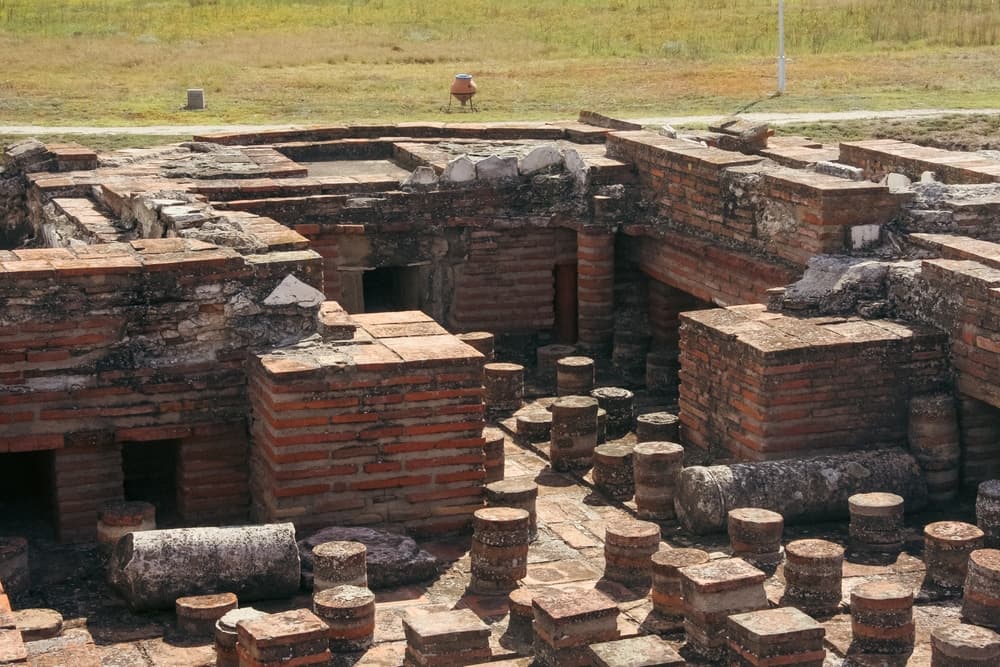
Halfway between Veles and Gradsko, the site of Stobi occupies a terrace at the confluence of the Erigon and Vardar rivers. The city, founded in the Hellenistic period then developed by the Romans and Byzantines, has yielded remarkably well-preserved floor mosaics in the episcopal basilica and the house of Peristerias, an ancient theater still used for summer concerts, and a fifth-century baptistry. Plan for two hours of visiting, preferably in the morning as shade is scarce.
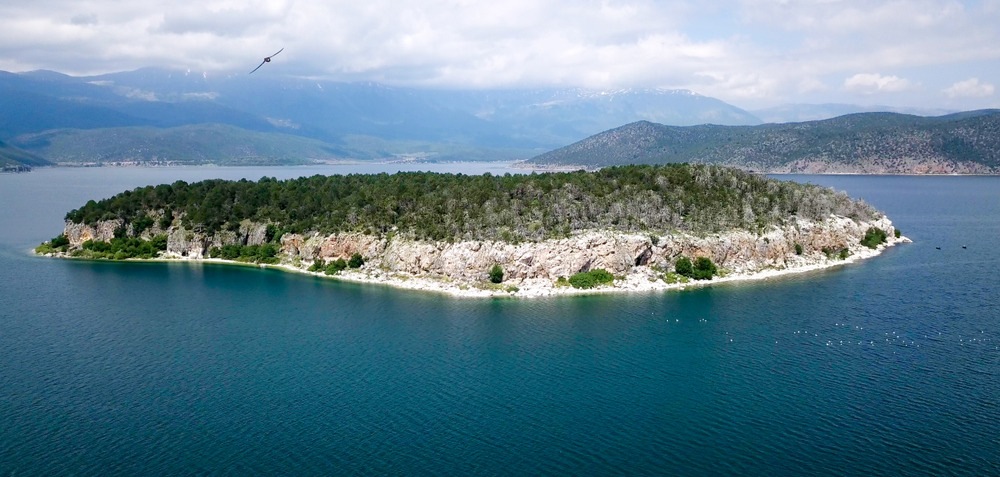
Further east, the road climbs toward Lake Tikveš, a water reservoir 30 kilometers long created in 1968 on the Crna Reka. The slopes are arid, covered with maquis and gnarled oaks, dotted with Orthodox monasteries accessible only by boat or rough track: Polog, Pološki, and the rock hermitage of Vozarci. We organize boat trips from the village of Resava, with a local fisherman who knows the coves. Wildlife includes griffon vultures, cormorants, and chamois on the ridges.
The region retains a rural and understated character. The inland villages, Negotino, Demir Kapija, Rosoman, live off wine, tobacco dried in bundles under awnings, and some irrigated market gardening watered by the Vardar. The grape harvest in September gives rise to several local festivals, including the Tikveš Wine Festival around September 9. This is the best time to understand the local economy: you'll encounter seasonal workers, hear the presses turning day and night, and estates offer special rates and menus.
The valley is also a mandatory crossing between worlds: from the Slavic and Orthodox north of Skopje to the Hellenized south of Gevgelija, with a marked Turkish and Roma presence in certain towns. This crossroads position explains why Stobi was episcopal from the fourth century onward, and why local cuisine blends wine, grilled peppers, sheep cheeses, and baklava.
To discover
Wine tastings at Tikveš estates. Cellar visits around Kavadarci and Demir Kapija with tastings of vranec, kratošija and temjanika, accompanied by local meze. Possibility of staying on-site at Popova Kula or Château Kamnik.
Stobi archaeological site. Roman then Byzantine city at the confluence of the Crna Reka and Vardar, with mosaics from the episcopal basilica, an ancient theater and a fifth-century baptistry. Two hours of visiting, best done early in the morning.
Boat trip on Lake Tikveš. Thirty kilometers of water reservoir set within the Crna Reka gorge, dotted with monasteries unreachable by road like Pološki, and soared over by griffon vultures nesting on the cliffs.
September harvest. The year's most lively period, with presses operating day and night, local festivals around September 9 in Kavadarci and Negotino, and special menus at the estates.
Pastrmajlija in Štip or Negotino. A pastry galette filled with diced marinated pork or lamb, baked in a wood-fired oven, a specialty of eastern Macédoine best enjoyed with a glass of young vranec.
When to go
The Vardar Valley is the country's warmest region. In July and August, temperatures regularly exceed 35°C in Demir Kapija and Gevgelija, with peaks of 40°C that make visits to Stobi difficult after 11am. We advise against these two months for travelers sensitive to heat. Spring, from April through early June, offers ideal conditions: 18 to 25°C, vines in leaf, hillsides still green before summer scorching.
The most interesting period remains September and the first half of October: 22 to 28°C during the day, harvest underway, golden light on bare hills. November and December are cool and often misty in the valley, with moderate rain but temperatures staying above freezing, around 5 to 10°C. January and February see some snow and nighttime frost, but cellars remain open by appointment.
Practical advice
We recommend two nights in the region to visit Stobi, tour two or three wine estates, and devote a half-day to Lake Tikveš. Three nights if you wish to slow down, stay at an estate, and explore the lake's monasteries by boat. Logistics are straightforward: the A1 motorway crosses the valley and places it 1 hour 15 minutes from Skopje, 2 hours 30 minutes from Ohrid via Prilep, and 1 hour from Gevgelija and the Greek border. No regional airport; entry is from Skopje.
The region fits naturally between Skopje and the North at the start of an itinerary, and Lake Ohrid or Pelagonia and Bitola afterwards. It is a stop suited to wine lovers, contemplatives, and travelers interested in Roman and Byzantine archaeology. Less suitable for families with young children in high summer due to heat, and hikers who will find more to do in the Mavrovo and Šar Planina massifs. Comfort is adequate without being luxurious: the best accommodations are the wine hotels of the Popova Kula and Château Kamnik estates, otherwise simple guesthouses in Kavadarci and Negotino.