Practical information North Macedonia
This section brings together practical information that Quentin and our team based in Skopje update each season from our test trips and client feedback on the ground. You'll find details on entry requirements for North Macedonia, which remains one of the simplest Balkan destinations for French, Belgian and Swiss nationals, with visa-free entry for up to 90 days and a simple valid passport or ID card. On the health side, no mandatory vaccinations but we recommend standard boosters for DTP, hepatitis A and B, and travel insurance covering evacuation for high-altitude hikes in Šar Planina or Pelister. The budget is among Europe's most affordable: expect 60 to 90 euros per day and per person excluding flights and private services, with a coffee at 1 euro in Bitola and a night in a family guesthouse around Ohrid at 35 euros. The country can be crossed by car in five hours from north to south, but mountain roads to Mavrovo or Galičnik require caution and a suitable vehicle. We also detail Orthodox cultural codes for monastery visits, the use of Macedonian denars, excellent 4G connectivity throughout, and common-sense rules to enjoy the country peacefully.
Plan your trip by theme
Explore our practical guides organized by category to quickly find the information you need.
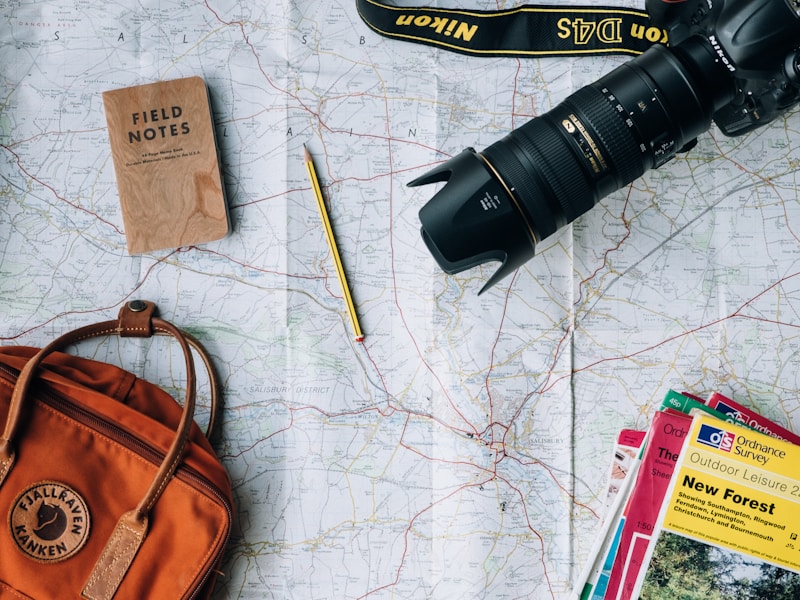
Before You Go
Passport or ID card, visa-free stay up to 90 days, travel insurance and formalities to arrange in advance in Macedonia.
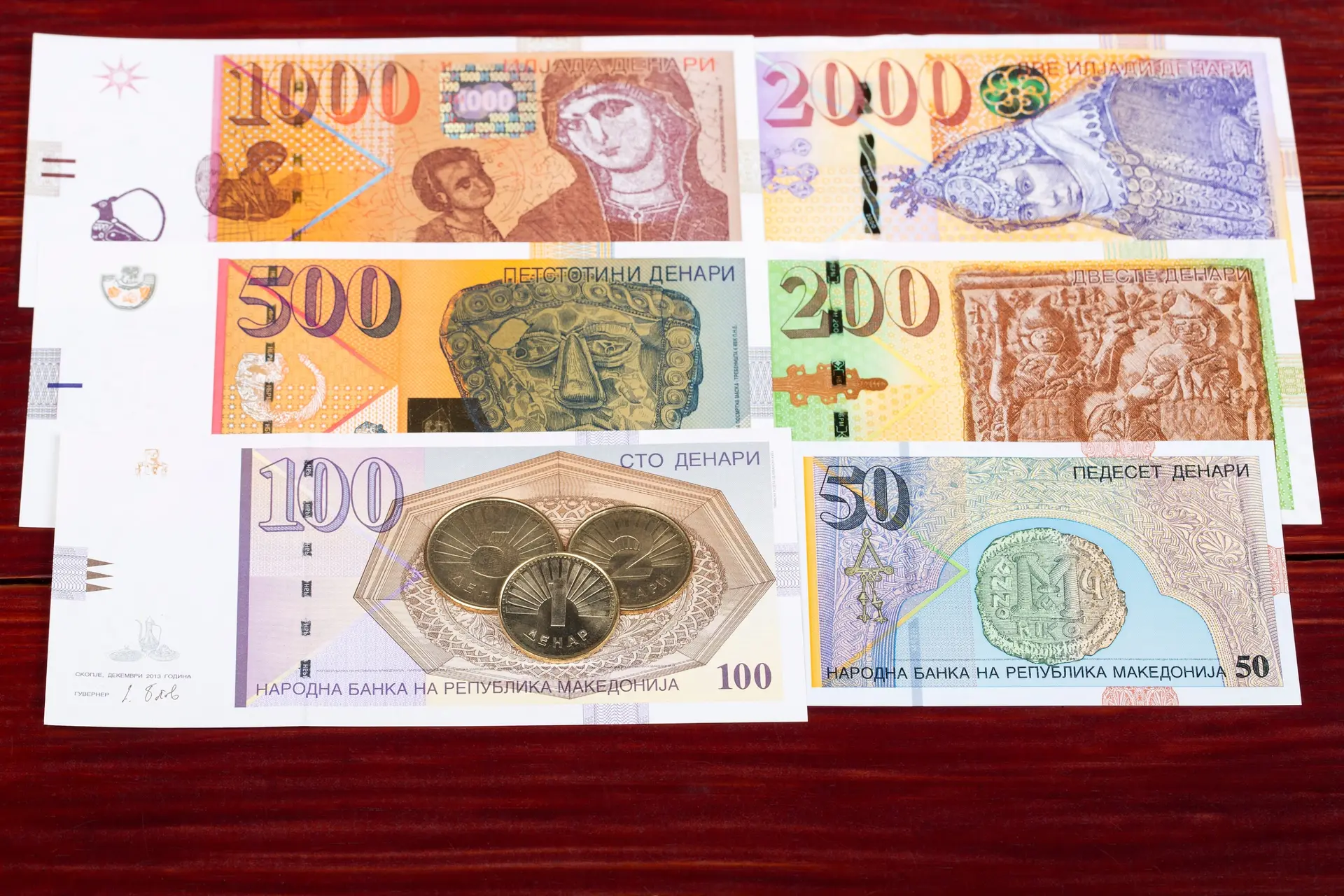
Budget
Macedonian denar, reference exchange rate, budget range 60-90 euros per day, card payment and 10% tipping.
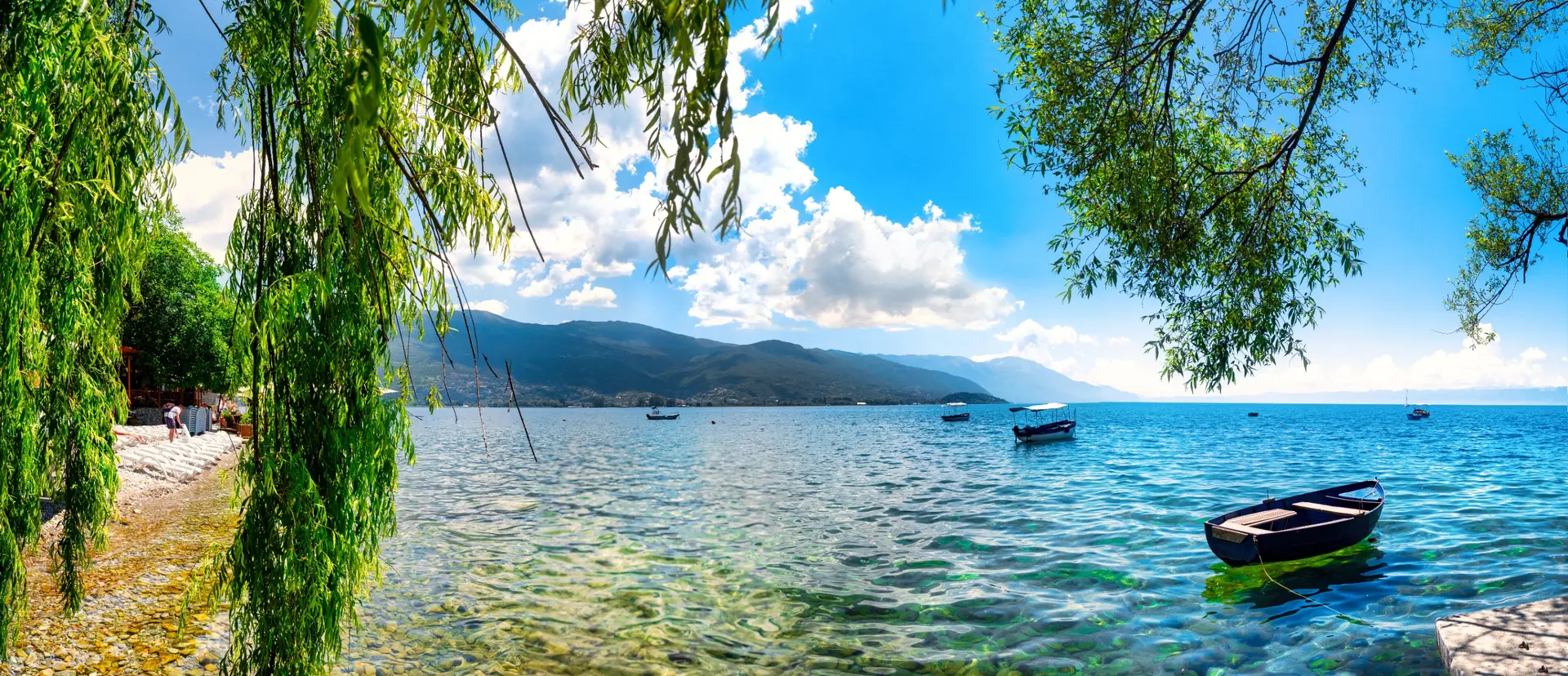
Climate Season
Warm and dry summers, snowy winters in the mountains, ideal shoulder seasons, particularities of Ohrid and the mountain ranges.
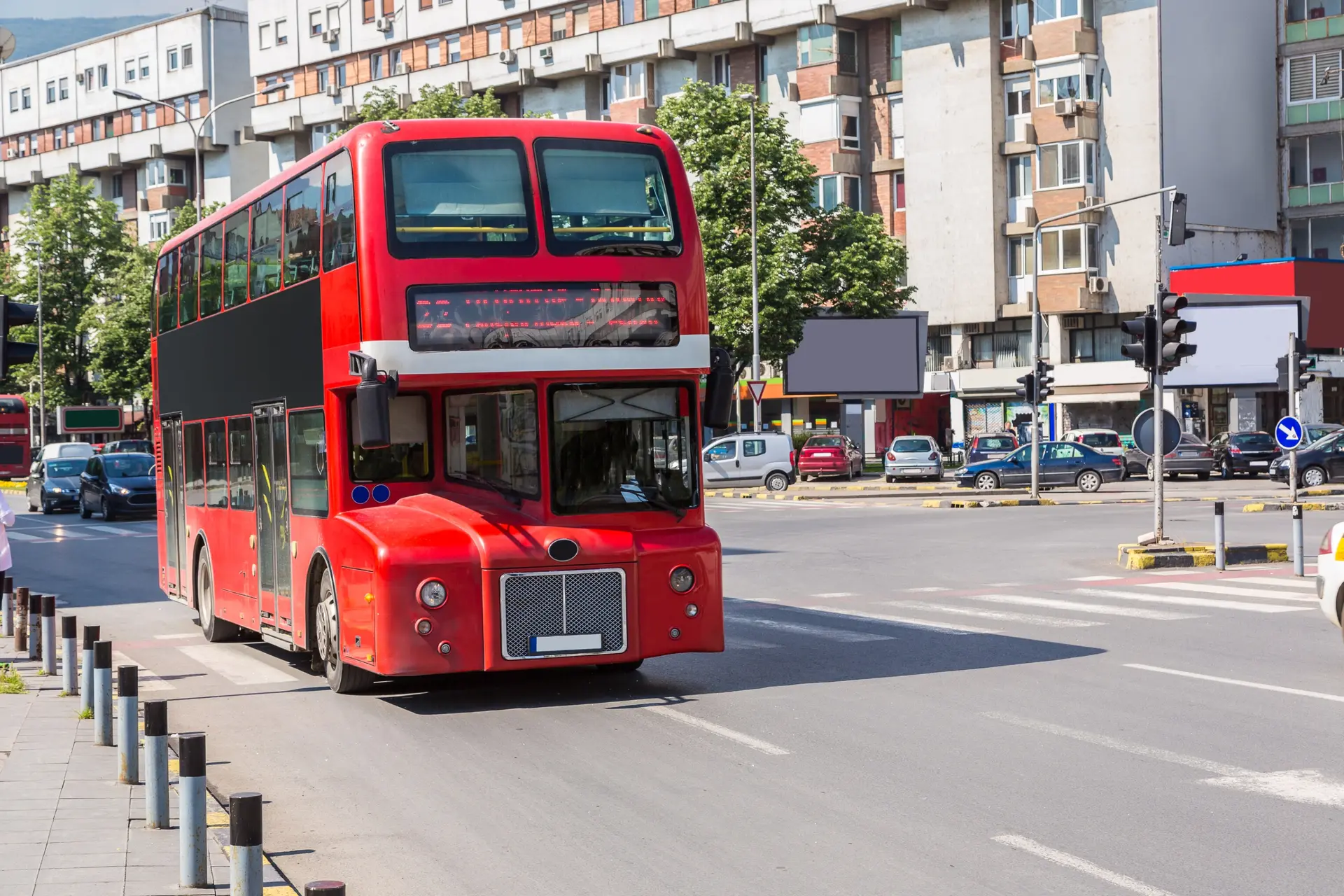
Transports
Car rental, intercity bus lines, single flight to Skopje or Ohrid, mountain roads and practical advice.
Culture
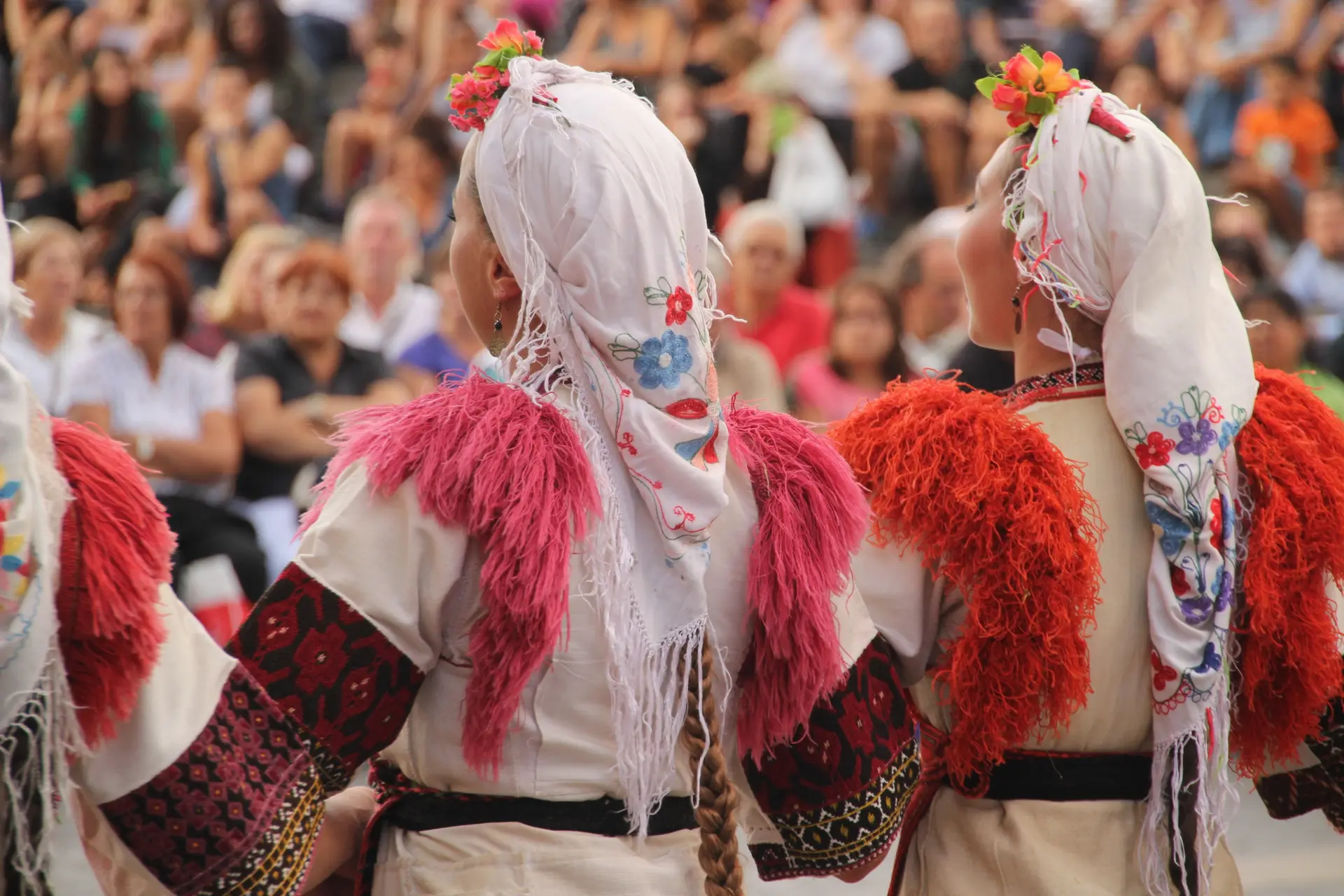
Visit to Orthodox monasteries, dress codes, greetings, Christian and Muslim religious coexistence.

Helpful Tips
Security, tap water, 230V electricity, 4G everywhere, pharmacies and local emergency numbers.
All practical guides
Search and filter among 0 articles
No articles match your criteria.
Frequently asked questions
The answers to the most frequently asked questions from our travellers.
For French, Belgian, Swiss and Canadian nationals, no visa is required for a tourist stay of less than 90 days in North Macedonia. A valid passport covering the duration of the stay is sufficient, and the French national identity card is also accepted at entry. No fees or prior e-visa required – the stamp is applied upon arrival at Skopje airport or at land border crossings. For longer stays, studies or professional activities, a specific permit must be requested from the embassy. Our team systematically verifies the validity of your documents before departure and assists you in case of any difficulty at the border, which remains exceptional.
No vaccines are required to enter North Macedonia. We nonetheless recommend keeping up to date with routine vaccinations: diphtheria, tetanus, poliomyelitis, whooping cough and MMR. Vaccines against hepatitis A and hepatitis B are advised for any stay, particularly if you plan stops in rural areas or mountain hiking. Rabies and tick-borne encephalitis may be considered for long-distance trekkers in the Mavrovo, Šar Planina and Pelister massifs, where stray dogs and ticks remain present in summer. No risk of malaria or yellow fever. A consultation with a general practitioner 4 to 6 weeks before departure is more than sufficient.
Macedonia remains one of Europe's most affordable destinations. Excluding international flights, expect 60 to 90 euros per day per person for comfortable travel in a double room, including breakfasts, lunches in kafanas, dinners at restaurants, and sightseeing. A night in a family guesthouse around Ohrid costs 30 to 45 euros, a 4-star hotel in Skopje 70 to 100 euros. A coffee costs 1 euro, a main course 7 to 12 euros, a bottle of local wine 8 to 15 euros at a restaurant. Car rental comes to 35-50 euros per day, fuel around 1.30 euros per liter. For a private circuit with an English-speaking driver-guide, expect 150 to 220 euros per day for two people.
The best periods are May-June and September-early October. Spring offers lush nature, temperatures between 18 and 25°C, and monasteries without crowds. Autumn delivers spectacular mountain colors and coincides with the grape harvest in the Vardar valley around Tikveš. July-August remain hot, 30 to 35°C in the plains, and are suitable for swimming in Lake Ohrid where water exceeds 22°C, but the shores fill with local and Albanian tourists. Winter, from December to March, appeals to snow enthusiasts with the Mavrovo and Popova Šapka ski resorts. Avoid November, often gray and rainy, unsuitable for hiking.
Car rental remains the most flexible option for discovering the country, which can be crossed in five hours from north to south. The main road network between Skopje, Ohrid, Bitola and Štip is in good condition, but mountain roads to Mavrovo, Galičnik or Pelister require caution, especially in rainy or snowy weather. The inter-city bus network, operated by several private companies, serves all towns for 5 to 12 euros per journey, but schedules change frequently. Train travel is minimal. For travelers who prefer not to drive, we organize private transfers or an English-speaking driver-guide, a formula appreciated for combining comfort and historical insights.
North Macedonia is among the safest countries in the Balkans for travelers. Crime targeting tourists remains very low, including in Skopje in the evening in the old bazaar or around Macedonian Square. Standard precautions are sufficient: watch your bag on long-distance buses, don't leave valuables visible in your car, keep a copy of your passport. Local driving requires vigilance, as some drivers readily exceed speed limits. In the mountains, don't hike alone off marked trails and inform your accommodation of your itinerary. Political tensions with neighboring countries have no impact on travelers. Our team in Skopje remains available 24/7 throughout your stay.
Ready to travel to in North Macedonia?
Discover our tailor-made itineraries, designed by our local team. Each route adapts to your pace, your preferences and your travel season.
See our toursWe use cookies to improve your experience and measure our site's audience. You can choose what you accept. Learn more.